

Dry, sensitive and mature skin can make something as simple as washing feel surprisingly uncomfortable. A cleanser that works well for one person may leave another feeling tight, itchy or stripped, especially during a dry Australian winter or after plenty of sun, wind and air conditioning.
Natural goat milk soap is often chosen for its creamy lather and gentle skin feel. When it’s made using the traditional cold-process method and a balanced blend of oils, it can offer a simple alternative to heavily fragranced body washes and mass-produced bars.
It isn’t a miracle treatment, and no soap suits everyone. But for many people, a thoughtfully made goat milk soap is a comfortable and enjoyable way to cleanse.
What is natural goat milk soap?
Natural goat milk soap is made by combining goat milk with oils or fats and an alkali, usually sodium hydroxide. This begins a chemical reaction called saponification, which transforms the ingredients into soap.
When the recipe is correctly formulated and the bars are properly cured, no active sodium hydroxide remains in the finished soap.
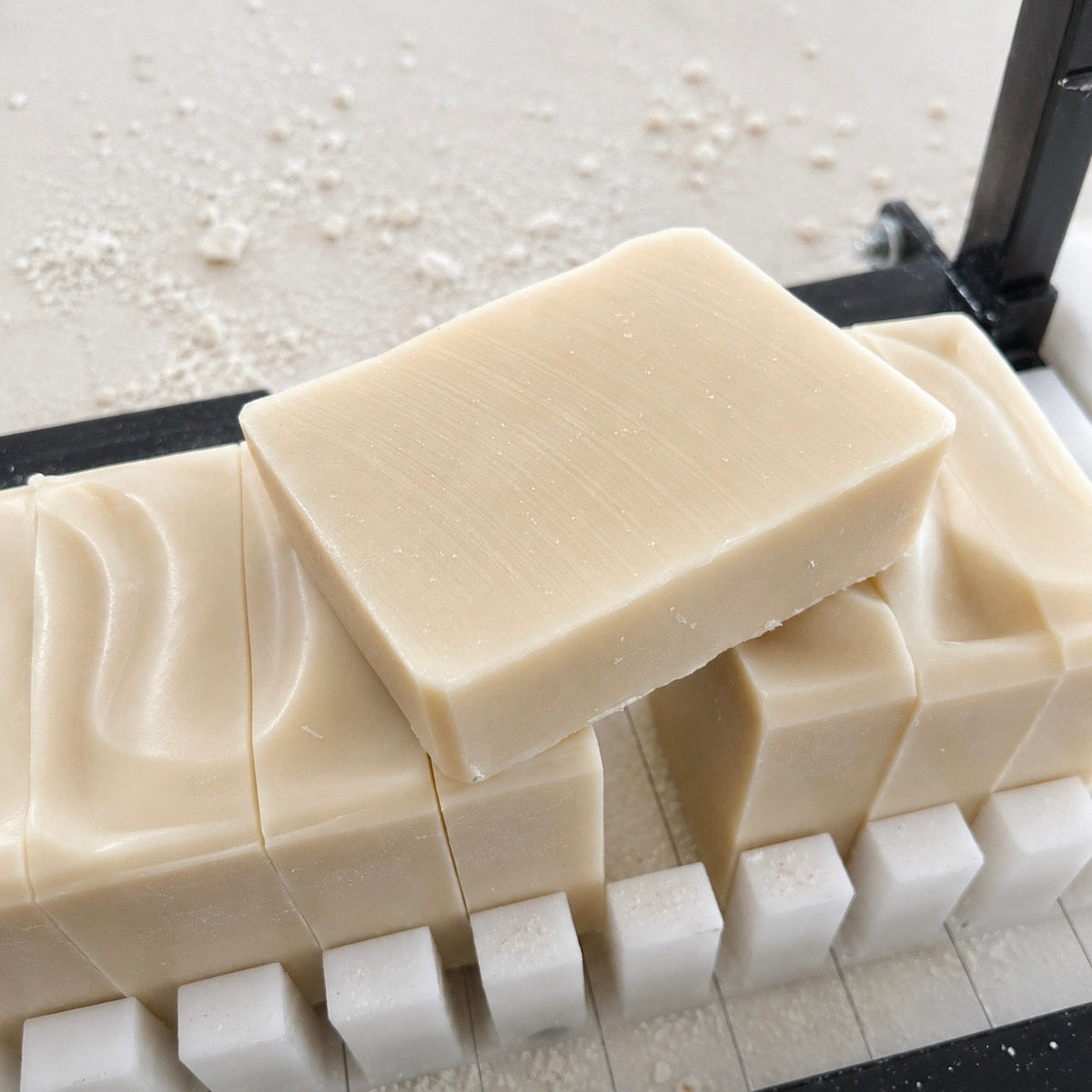
With the cold-process method, the ingredients are not exposed to the high temperatures used in some commercial manufacturing. The freshly made bars are poured, cut and then cured for several weeks. During this time they become firmer, milder and longer lasting.
Cold-process soap also retains the glycerine naturally created during saponification. Glycerine is a humectant, which means it attracts water. Commercial manufacturers usually remove it for use in other products, while handmade soap makers generally leave it in the finished bar. At Medika Organics, the glycerine is left completely intact in all of our soap bars.
1. It cleanses without an overly stripped feeling
A well-formulated goat milk soap removes everyday dirt, sweat and excess oil while leaving skin feeling comfortable rather than squeaky clean.
Goat milk contains natural fats, and handmade recipes commonly include plant oils and butters chosen for the qualities they bring to the finished soap. Together, these ingredients create a creamy, conditioning lather.
This can be particularly appealing for dry or mature skin. As we age, our skin generally produces less natural oil and may feel tight more easily after washing. Climate, hot showers and indoor heating or cooling can add to that dryness.
That said, goat milk alone doesn’t guarantee a gentle bar. The full recipe, balance of oils and curing time all matter.
2. It produces a soft, creamy lather
One of the most noticeable qualities of goat milk soap is its lather. The milk’s natural fats and sugars help create a smooth, creamy foam that feels lovely on the hands and body.
A soap doesn’t need to produce huge bubbles to cleanse effectively. In fact, people with dry or sensitive skin may prefer a smaller, creamier lather to the strong foaming action of some cleansers.
For a gentle wash, wet the bar and work it between your hands. Massage the lather over your skin without scrubbing, then rinse well.
3. Naturally occurring glycerine supports a softer skin feel
Glycerine is created naturally during cold-process soapmaking and remains in the finished bars of all Medika Organics soaps. Because it attracts water, it helps give handmade soap its characteristic skin feel.
The oils and butters in the recipe also influence whether a bar feels mild, creamy and conditioning. This is why it’s worth looking beyond a single headline ingredient and checking the complete formula.
Goat milk naturally contains lactic acid, but soap is a rinse-off product rather than a leave-on treatment. It’s more honest to view goat milk soap as a gentle cleanser than as a treatment or a cure for wrinkles, eczema or other skin concerns.
If your skin is very dry, apply a suitable moisturiser after washing while your skin is still slightly damp.
4. Unscented options make sensitive-skin routines simpler
Scent can turn an everyday soap into a small pleasure, but it can also be a problem for reactive skin. Both synthetic fragrance and natural essential oils may cause irritation or an allergic response in some people.
An unscented goat milk soap removes added scent from the equation. Look for a clear ingredient list without fragrance, essential oils or artificial colours if you want the simplest possible option. see
If your skin is comfortable with scented products, a soap made with pure essential oils may also suit you.
5. Clear small-batch production makes informed choices easier
Small-batch soap makers often share more detail about their recipes, sourcing and production methods. That transparency helps you choose based on what’s actually in the bar rather than broad marketing claims.
When reading a label or product description, look for:
- A complete list of oils, butters and other ingredients
- Whether fresh or powdered goat milk is used
- Whether the scent comes from essential oils or synthetic fragrance
- Whether colour comes from clays, botanicals or artificial colourants
- Any added preservatives or other additives
- How the soap is made and where it comes from
Traditional cold-process bar soap doesn’t need the same preservation system as a water-based cream or liquid wash. Once cured, it contains very little available water and has a naturally alkaline pH, creating conditions in which many microbes struggle to grow.
But the important thing is that the maker tells you exactly what’s there and why.
What to look for when choosing goat milk soap
A good goat milk soap doesn’t need a complicated ingredient list or dramatic claims.
Look for a properly cured cold-process bar, clearly identified oils and butters, and an honest explanation of how the soap is scented and coloured. Olive oil, coconut oil, shea butter and other plant oils are commonly used, although the overall balance of the recipe matters more than any single hero ingredient.
A small-batch Australian example
Medika Organics makes natural goat milk soaps in small batches using the traditional cold-process method, locally in Moreton Bay, Queensland.
The range includes an Unscented Goat Milk Soap Bar for people who prefer to avoid added scent, along with options made using pure essential oils. Clear ingredient lists make it easier to compare products, and natural and organic ingredients are selected where available.
Other choices include Goat Milk & Honey Soap and Lavender Oat Goat Milk Soap.
No bar will be right for absolutely everyone. But, small-batch production and clear labelling make it easier to understand what you’re using and choose according to your own skin and scent preferences.
How to use goat milk soap on dry or sensitive skin
- Use warm water rather than very hot water.
- Build a creamy lather between your wet hands.
- Cleanse gently without rough scrubbing or exfoliating cloths.
- Rinse thoroughly and pat your skin dry.
- Apply moisturiser afterwards if your skin needs it.
- Stop using the soap if you notice persistent irritation.
Shorter showers can also help if your skin tends to become dry.
Long, hot showers may remove more of the skin’s natural oils, regardless of which cleanser you use.
Can I use goat milk soap if I have a dairy allergy?
A dairy allergy is different from lactose intolerance, and goat milk may still contain proteins capable of causing a reaction. If you have a diagnosed milk allergy, speak with your doctor or allergy specialist before using a goat milk product.
Should I patch test natural soap?
Patch testing is a sensible precaution, particularly if your skin is reactive or you’re trying a scented soap.
Lather a small amount on the inside of your arm, rinse it away and monitor the area for 24 to 48 hours. Stop using the product if you experience redness, itching, swelling or discomfort. A patch test can reduce uncertainty, although it can’t guarantee that a reaction will never occur.
Is unscented goat milk soap better for sensitive skin?
It can be a good place to start because it removes added fragrance and essential oils from the formula. However, sensitive skin is highly individual. Always check the complete ingredient list and patch test if you’re unsure.
Can I use goat milk soap on my face?
Some people enjoy using it on their face, while others find traditional soap too alkaline for facial skin. Patch test first and pay attention to how your skin feels.
A simple and honest approach to cleansing
Natural goat milk soap can be a lovely choice for with dry, sensitive or mature skin. A well-made bar offers creamy lather, naturally occurring glycerine and a straightforward way to wash without unnecessary fuss.
Choose a properly cured cold-process soap with a clear ingredient list. Start with unscented if your skin is easily irritated.
The best soap isn’t the one making the biggest promises. It’s the one that cleans well, feels comfortable on your skin and clearly tells you what’s inside.