

Most people pick up a product labelled "natural" and assume that's enough. It isn't. In Australia, words like "natural," "eco," and "pure" on personal care packaging carry no regulatory weight whatsoever. Choosing a genuine natural soap bar made from organic ingredients instead protects your skin from hidden synthetics, because a bar can legally call itself natural while containing synthetic detergents, artificial fragrance, and petroleum-derived fillers. That's not a niche problem; it's widespread. And it matters because you're using this product on your skin every single day.
Switching to natural organic soap isn't a dramatic lifestyle overhaul. It's a quieter, more deliberate choice: one bar, one clear ingredient list, one less source of unnecessary chemicals in your daily routine.
Here at Medika Organics, I build products around full ingredient transparency. This guide gives you the practical knowledge to make that switch with confidence, whether you're choosing for sensitive skin, dry skin, gifting, or simply because you're done with bars that strip more than they give.
The label problem: "natural" means very little without proof
Australian consumer law requires that claims be accurate and not misleading, but it doesn't define what "natural" or "pure" actually mean for personal care products. That gap is wide enough to drive a truckload of synthetic detergents through. A bar soap can legally list artificial fragrance, sodium lauryl sulfate, and petroleum-derived ingredients while carrying a leaf logo on the front.
This is why label reading matters more than logo spotting. Ingredients like "parfum" or "fragrance" on a soap label are catch-all terms that can conceal dozens of undisclosed chemicals. If a bar's ingredient list includes these alongside sulfate surfactants and preservatives, the leaf logo and/or the "natural" claim on the front panel is doing a lot of heavy lifting.
Why full ingredient transparency matters more than marketing
A maker who lists every ingredient, down to the carrier oils, botanicals, and the exact essential oils used for scent, is showing you something most brands won't. Brevity and legibility in an ingredient list are earned, not accidental. It means the formulator didn't need to pad out the bar with synthetic stabilisers, fillers, or undisclosed fragrance compounds. Flip your soap bar over before you buy it. If the back panel reads like a chemistry exam, put it down.
Why natural organic soap made using the Cold-Process method works better for your skin
Not all handmade soap is created the same way, and the method behind the bar has a direct effect on what ends up in contact with your skin. Cold-process soapmaking is the traditional method, and the reason it produces a noticeably different result comes down to one ingredient your skin genuinely needs: glycerine.
How cold-process preserves the glycerine your skin actually needs
Cold-process soap is made by combining oils and lye without applying external heat, allowing saponification to occur slowly over time. This process naturally produces glycerine as a by-product, a humectant that draws moisture to the skin's surface and helps maintain hydration after washing. A properly made cold-process bar retains essentially all of that naturally produced glycerine, typically around 8% or more by weight in the finished bar.
Commercial soap manufacturers extract this glycerine and sell it separately for use in higher-margin cosmetic products. What's left in the mass-market bar is leaner in a transactional sense but noticeably more drying on skin. That familiar tight feeling after using a supermarket soap bar isn't coincidental. It's the predictable result of a bar that's had its best moisturising component removed before it reached the shelf.
Small-batch versus mass-manufactured: what's genuinely different
Handmade cold-process bars go through a curing period of four to six weeks after they're made. During this time, excess water evaporates, the bar hardens properly, and the saponification process completes fully. Mass-produced bars often skip or compress this curing stage, relying on synthetic hardeners to achieve the right texture faster. The result is a bar that softens quickly in the shower and requires more product per wash than a properly cured handmade bar.
A well-cured cold-process bar is also a gentler cleanser. Without the high-lather synthetic surfactants found in commercial formulations, it cleans without stripping the skin's natural oil barrier. For people with reactive or sensitive skin, that distinction is significant. The bar isn't trying to degrease your skin; it's trying to cleanse it.
The environmental case for choosing handmade
Cold-process, small-batch soap carries a far lighter environmental footprint than its commercial counterpart. Minimal packaging, biodegradable ingredients, no synthetic preservatives washing into waterways, and production at a scale that doesn't require industrial chemical processing all add up. For anyone building a greener bathroom, the method behind the bar matters as much as what's in it.
Choosing soap: ingredients worth understanding before you buy
Organic oils and butters: what each one brings to the bar
Olive oil is the foundation of many genuinely nourishing soap bars. It's gentle, moisturising, and exceptionally well-tolerated by sensitive skin, with a mild cleansing profile that doesn't strip. Coconut oil contributes lather and cleansing action, but it works best in moderate amounts. Soap bars with high coconut oil concentrations can lean drying for some skin types. Shea butter adds a conditioning, creamy finish and is a reliable choice for bars formulated for dry or easily irritated skin.
The quality of these oils also matters. Cold-pressed and organic oils retain more of their skin-nourishing fatty acids and antioxidants than refined versions. A bar made with raw unprocessed organic shea butter is a different product from one made with refined, deodorised shea butter, even if both list "shea butter" on the label.
Essential oils, clays, and goat milk: demystifying the additions
Essential oils do the scenting work in a genuinely natural, chemical-free soap bar, and many carry therapeutic properties beyond fragrance. Lavender is calming, eucalyptus supports mental clarity, and peppermint is energising. When used at appropriate levels, these oils add a sensory dimension to a daily routine without the undisclosed chemical load of synthetic fragrance. Clays like kaolin and French green clay add gentle detoxifying action and earthy natural colour, with no synthetic dyes required.
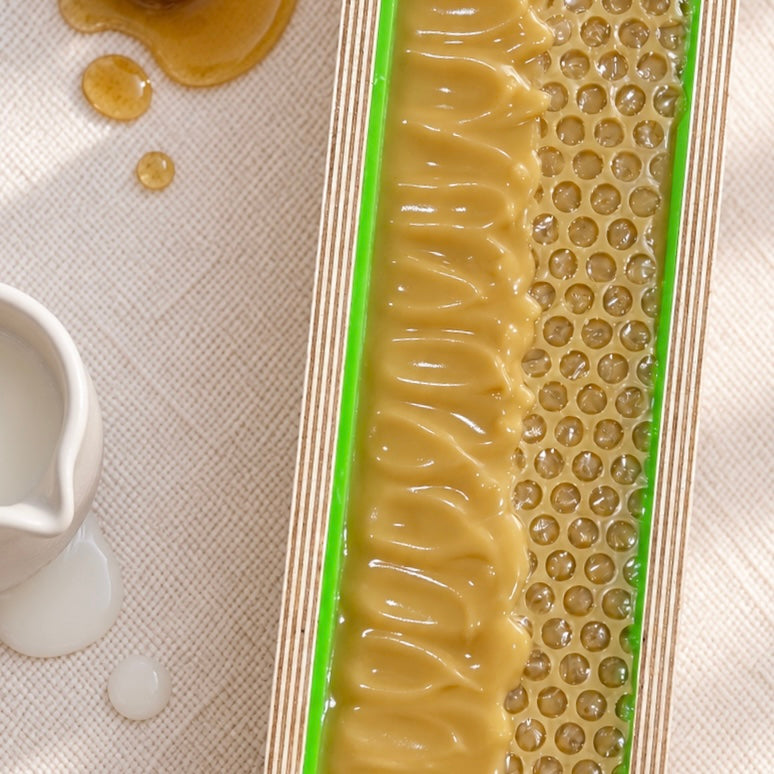
Goat milk is one of the more skin-supportive additions you'll find in quality soap bars. It contains lactic acid, a naturally occurring alpha-hydroxy acid that gently removes dead skin cells, along with fatty acids that help maintain the skin's moisture barrier. For dry, sensitive, or eczema-prone skin types, goat milk bars offer a non-stripping cleanse with a noticeably creamier feel.
What to look out for if your skin is reactive
Fragrance is one of the most common triggers for contact irritation, even from natural sources. For reactive skin, an unscented vegan soap bar built around olive oil and shea butter is the safest starting point. A short ingredient list with familiar names is your best guide. If you can't identify most of what's in the bar, that's a reasonable reason to put it back.
How we make our soap at Medika Organics
At Medika Organics, every bar starts with natural organic plant-based butters and botanicals chosen for what they genuinely contribute to skin. Nothing goes into a batch that can't be explained clearly on the label. The cold-process method is used for every single bar, cured over several weeks, and scented only with pure essential oils. It's a slower way to make soap, and deliberately so.
The range covers different skin needs without overcomplicating things. The sensitive, unscented soap bars are the most straightforward option and a solid starting point for anyone transitioning from synthetic soap. The goat milk collection brings extra creaminess and lactic acid richness, particularly suited to dry or easily irritated skin. There's also a men's range and hair care options for those ready to extend the switch further across their routine.
Choosing the right natural organic soap bar for your skin type and values
Sensitive and reactive skin: start simple and stay unscented
For sensitive, eczema-prone, or reactive skin, the approach is consistent: choose an unscented bar with a short ingredient list built around olive oil and shea butter. One bar at a time is a practical and low-risk way to approach this. You don't need to overhaul your entire bathroom to see a difference.
Dry or normal skin: where to look for extra nourishment
Dry and normal skin types respond well to richer oil blends and bars with higher butter content. Goat milk bars are an excellent option here, as are bars with a generous shea butter proportion. Scented essential oil bars are generally well-tolerated by non-sensitive skin types and add a genuinely pleasurable sensory dimension to a daily shower routine.
Making your natural organic soap bar last
The single most important habit: let your bar drain and dry
Handmade cold-process soap is free from the synthetic hardeners found in commercial bars, which means it needs to dry completely between uses. A draining soap dish with slats allows airflow underneath the bar, and will extend its life significantly. Leaving a bar sitting in pooled water is the fastest way to shorten it. For bars you're not yet using, store them in a cool, dry place with some airflow.
What to expect when you first make the switch
Some people notice a brief adjustment period when switching from synthetic detergents to real soap, usually one to two weeks while the skin recalibrates its natural oil production. This is normal and temporary. The skin is adjusting to a formulation that isn't stripping its barrier with harsh surfactants. Most people find their skin settles into a noticeably softer, more balanced state once it does.
One bar is enough to start
Switching to a genuinely natural organic soap bar doesn't require a dramatic overhaul of everything in your bathroom. It starts with one bar, one clear ingredient list, and a decision to pay a little more attention to what touches your skin every day. That's a small thing with a tangible, lasting difference.
If you're not sure where to begin, start with the Medika Organics sensitive unscented Double Butter Soap Bar, a low-commitment entry point that suits most skin types. From there, the goat milk range, and the scented everyday bars are all worth exploring at your own pace. Browse the full soap collection and pick something that actually fits your skin and your values. Intentional body care is quieter than the marketing suggests, and that's exactly the point.